money time | The Digital Playground: How Gaming is Shaping the Future of Finance
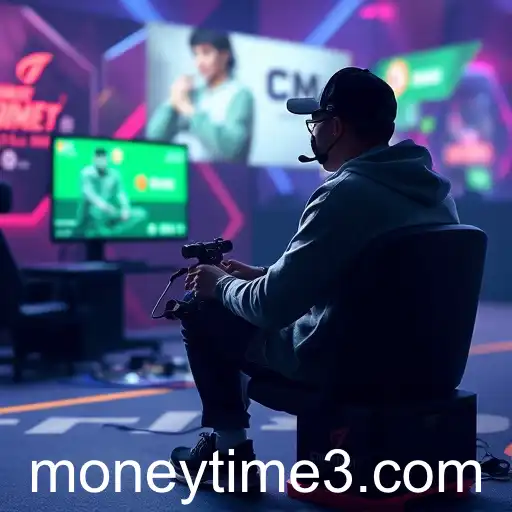
In the ever-evolving world of online gaming, 'money time' has become more than just a catchphrase; it represents the growing convergence between virtual economies and real-world finance. The gaming industry, valued at billions of dollars, is increasingly drawing the attention of economists and financial experts worldwide. As we proceed into the latter half of 2025, this trend shows no signs of abating.
The concept of 'money time' in gaming revolves around the monetization of virtual experiences. With the advent of blockchain technology and cryptocurrencies, players can now earn real money through in-game transactions and competitions. This development has birthed a new economy where the lines between gaming currency and hard cash blur, providing both opportunities and challenges.
One significant area where this is evident is in the rise of eSports. Competitive gaming has transformed from a niche hobby to a professional sport with substantial financial stakes. Gaming tournaments are attracting massive audiences, rivalling traditional sports in viewership. Prizes often reach millions of dollars, making gaming a lucrative career option for the exceptionally skilled. This dynamic has further cemented gaming's role in shaping the modern financial landscape.
Moreover, game developers are exploring novel ways to incorporate virtual economies within their platforms, making 'money time' a critical element of game design. From in-game purchases to subscription models, these strategies offer players a chance to enhance their gaming experience while also contributing to developers' revenue streams. As a result, understanding financial literacy within these digital contexts is becoming increasingly critical for players.
Regulatory bodies are beginning to pay attention as well. With the rise of virtual currencies and assets, questions about taxation, consumer protection, and market regulation have emerged. Many governments are considering how to approach these dynamic gaming marketplaces, which operate beyond traditional financial frameworks.
The 'money time' phenomenon highlights a growing interconnection between gaming and global economies. As technological advancements continue to disrupt traditional industries, the gaming sector stands on the frontier of this new financial era. How this will influence further economic structures remains to be seen, but its impact is undeniable.
Ultimately, as both players and financial entities navigate this evolving terrain, the future of gaming and finance seems poised for a groundbreaking transformation. The gaming industry's progressive embrace of financial innovations signals a new age where virtual experiences hold tangible economic significance.


Evolving Trends in Gaming Economy
Exploring the dynamics of virtual currencies in the online gaming world in 2025.

The Rise of Digital Currencies in Online Gaming
Exploring the impact of digital currencies on the gaming economy and how 'money time' is reshaping online gaming interactions.

Online Gaming Trends and Economic Influences
Exploring how economic trends are influencing the online gaming industry in 2025.

The Rise of Game Time Economics
Exploring the intersection of gaming and economics in 2026 and how 'money time' redefines value in the digital world.